Pet Safety During Hurricanes
For many Florida homeowners — especially in 55+ and gated communities — pets are part of the family and a major part of storm planning.
CHPXL cannot decide for you whether to stay or evacuate, but we can help you think through how to keep pets safer and calmer in either situation.
Why Pet Planning Matters in 55+ & Gated Communities
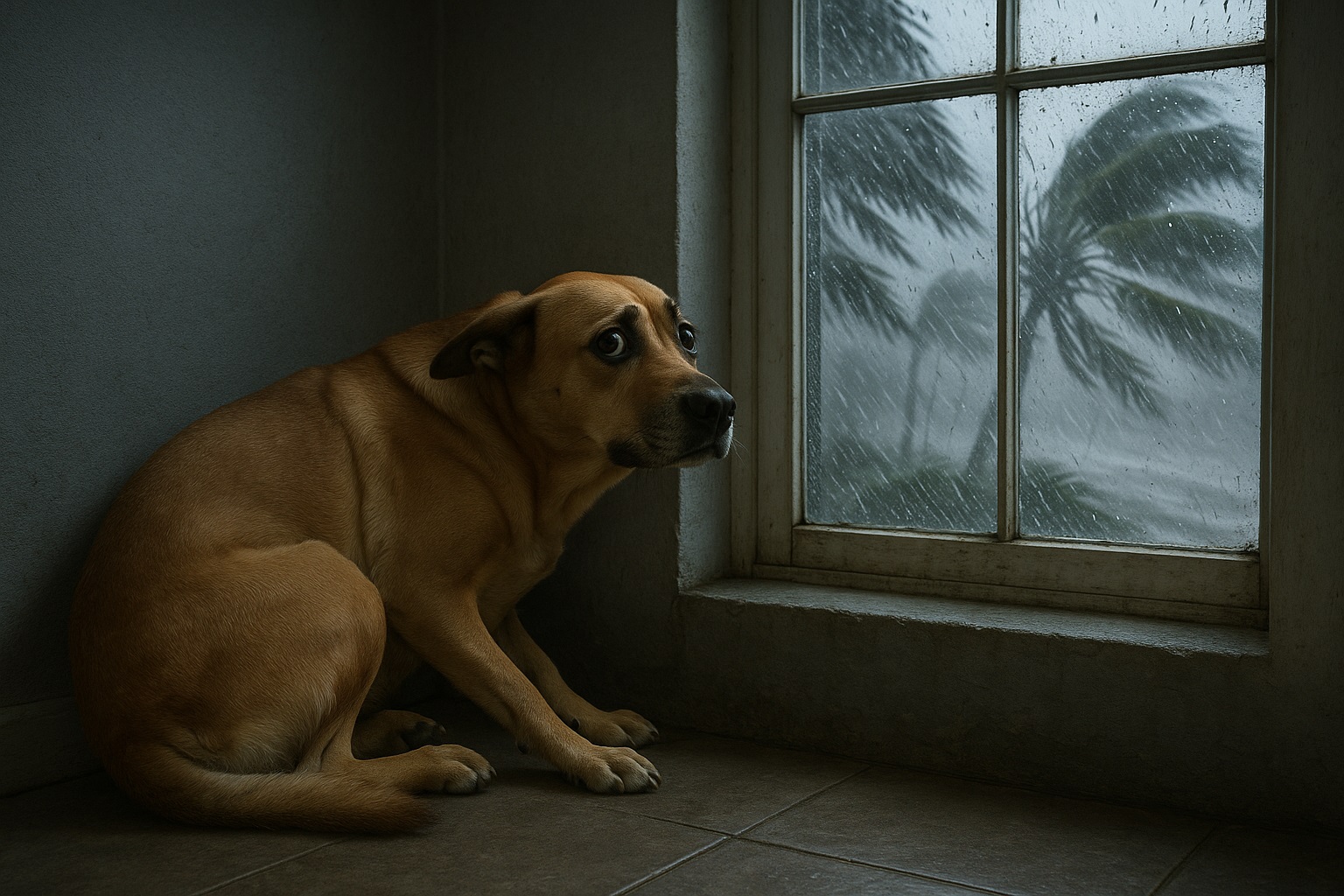
When a hurricane approaches, the way your home performs can have a direct impact on how your pets react. Noise, changing pressure, and wind-driven rain can cause anxiety long before there is visible damage.
Many 55+ homeowners find that evacuation can be complicated by health, mobility, or pets that do not travel easily. Having a simple written plan — whether you expect to shelter at home or leave early — can make storm days less stressful for both people and animals.

Planning to Shelter at Home With Pets
Pets are sensitive to changes in sound, light, and pressure. Strong winds, rattling doors, and flashes of lightning can make them restless or afraid. A home that is better protected at its openings can feel quieter and more stable inside, which may help pets stay calmer.
Ideas for an Indoor Pet Plan
- Choose an interior room away from large windows and exterior doors.
- Use carriers or crates with blankets to create a covered, secure space.
- Store 5–7 days of pet food and fresh water reserved just for pets.
- Keep medications and veterinary contact information in a waterproof folder.
- Gather familiar beds, toys, and comfort items in that same room.
- Lower your hurricane protection systems early to help stabilize interior noise and light.
These steps are general planning ideas. Always follow local emergency guidance and your veterinarian’s recommendations for your specific pets.
Planning to Evacuate With Pets
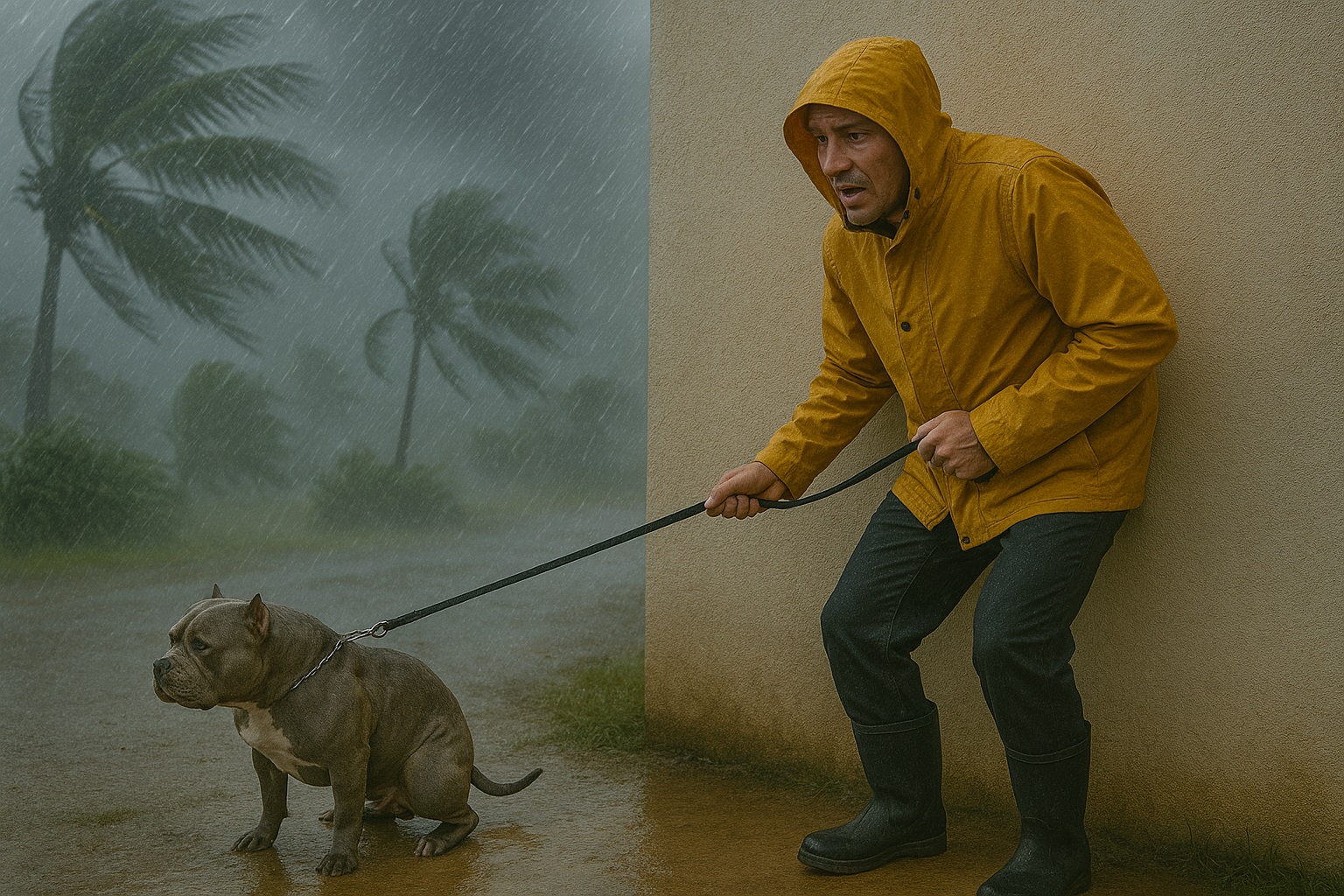
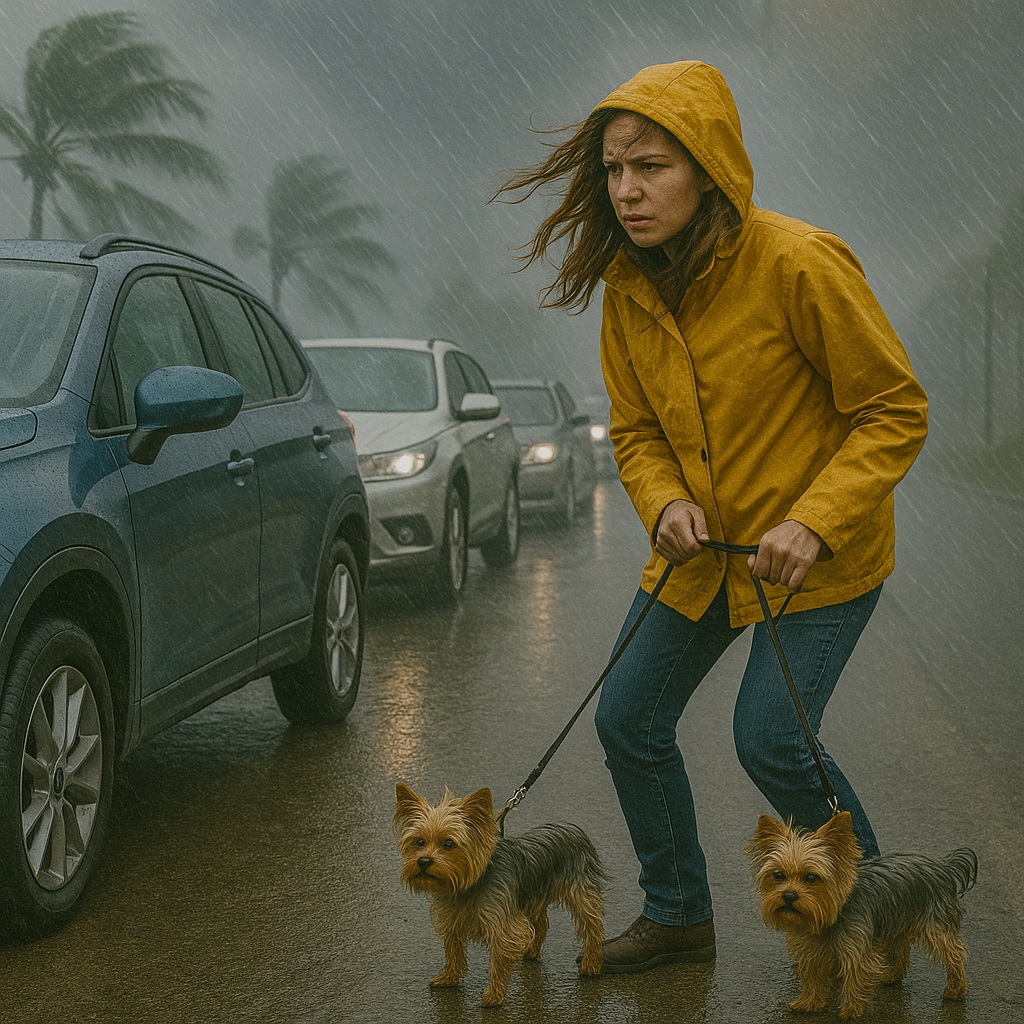
If you plan to leave before a storm, pets will be traveling in the same stressful conditions you face. Traffic, heat, and long hours in a vehicle can be hard on animals, especially older pets.
Ideas for a Travel Plan
- Use a labeled carrier or crate for each pet with your name and phone number.
- Bring vaccination records, microchip information, and recent photos of each pet.
- Pack 7–10 days of food and water plus portable bowls.
- Include leashes, harnesses, waste bags, litter, and cleaning supplies.
- Carry all medications with written dosing instructions.
- Identify pet-friendly shelters, clinics, and hotels during calm weather, not at the last minute.
Exact shelter and evacuation guidance comes from your county and local emergency management. Check official sources each season so your plan matches current rules.
Typical Places That May Accept Pets
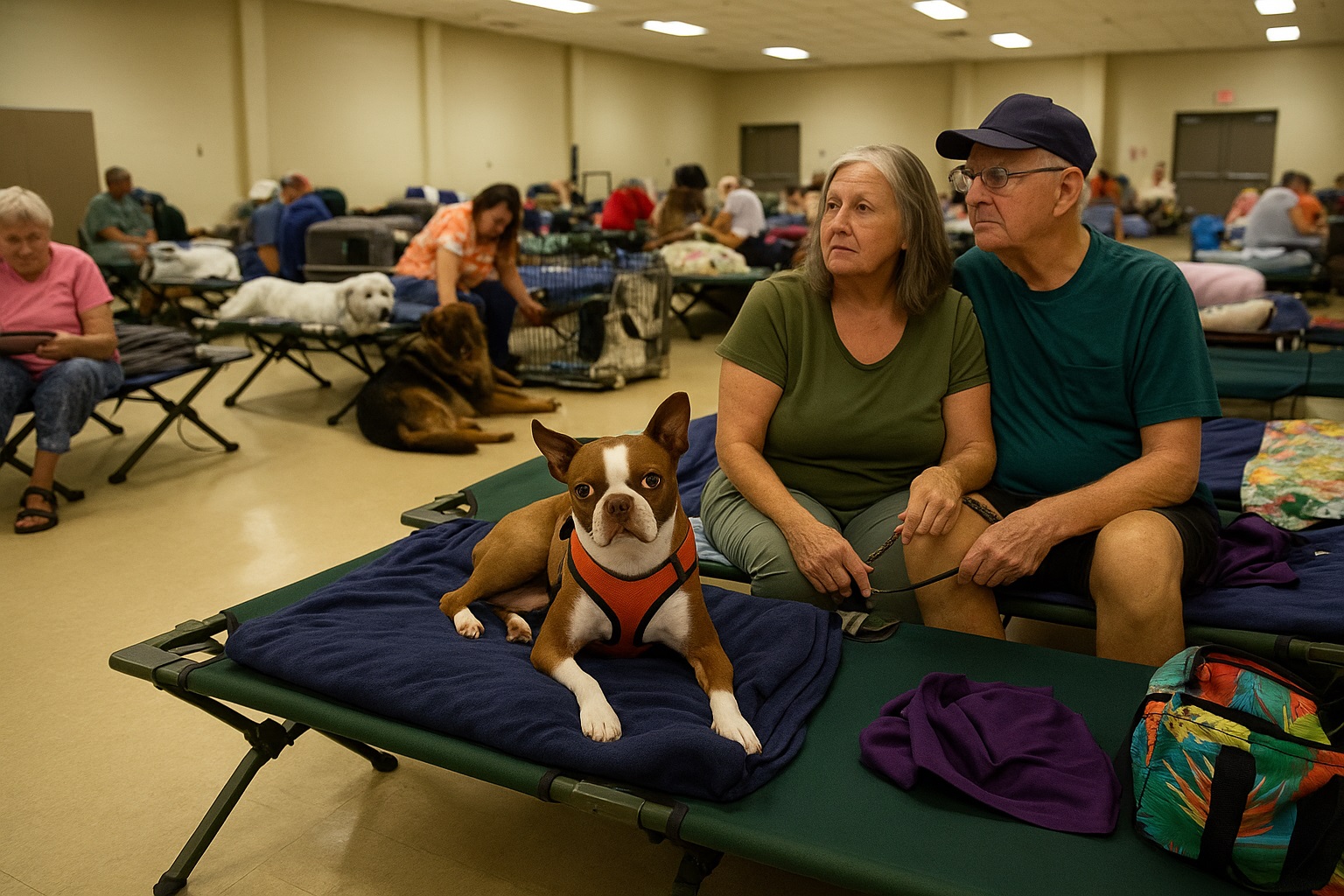
- County-announced pet-friendly shelters (availability varies by storm and location).
- Veterinary hospitals or clinics that offer storm boarding.
- Hotels that temporarily relax pet rules during emergencies.
- Friends or family outside the highest-risk zones.
Availability and policies can change quickly. Always confirm details directly with local officials, shelters, and providers for each storm and each season.
CHPXL Pet Stay-or-Go Planning Checklist
This checklist is designed to help you organize information and supplies for both sheltering at home and evacuating with pets. It does not replace official guidance from emergency management or your veterinarian, but it can help you keep important details in one place.
Download Pet Stay-or-Go Checklist (PDF)
STAY PLAN — At Home
- Pick an interior room away from glass and exterior doors.
- Set up crates or carriers with soft bedding and blankets.
- Keep 5–7 days of pet food and water in that room.
- Store medications and vet contacts in a waterproof pouch.
- Have comfort items (favorite toys, beds) ready before the storm arrives.
- Close and secure your hurricane protection systems before conditions deteriorate.
GO PLAN — If You Evacuate
- Prepare a carrier and leash for each pet.
- Keep copies of vaccination and microchip records with you.
- Bring 7–10 days of food, water, and bowls in sealed containers.
- Pack waste bags, litter, and cleanup supplies.
- Include medications and written dosing instructions.
- List pet-friendly shelters, vets, and hotels you can realistically reach.
Emergency Contacts & Notes
You can keep this information in your printed checklist, a notebook, or a storm binder:
- Veterinarian / Clinic:
- 24-Hour Emergency Animal Hospital:
- Local Pet-Friendly Shelter:
- Backup Friend / Family Contact:
Your Pets Depend on You — We Help Protect the Home They Trust
CHPXL systems are designed to protect the openings that often fail first in a storm. A better-protected home can support the overall environment you create for pets and family during hurricane season.